5472 x 3060 px | 46,3 x 25,9 cm | 18,2 x 10,2 inches | 300dpi
Data acquisizione:
19 ottobre 2019
Altre informazioni:
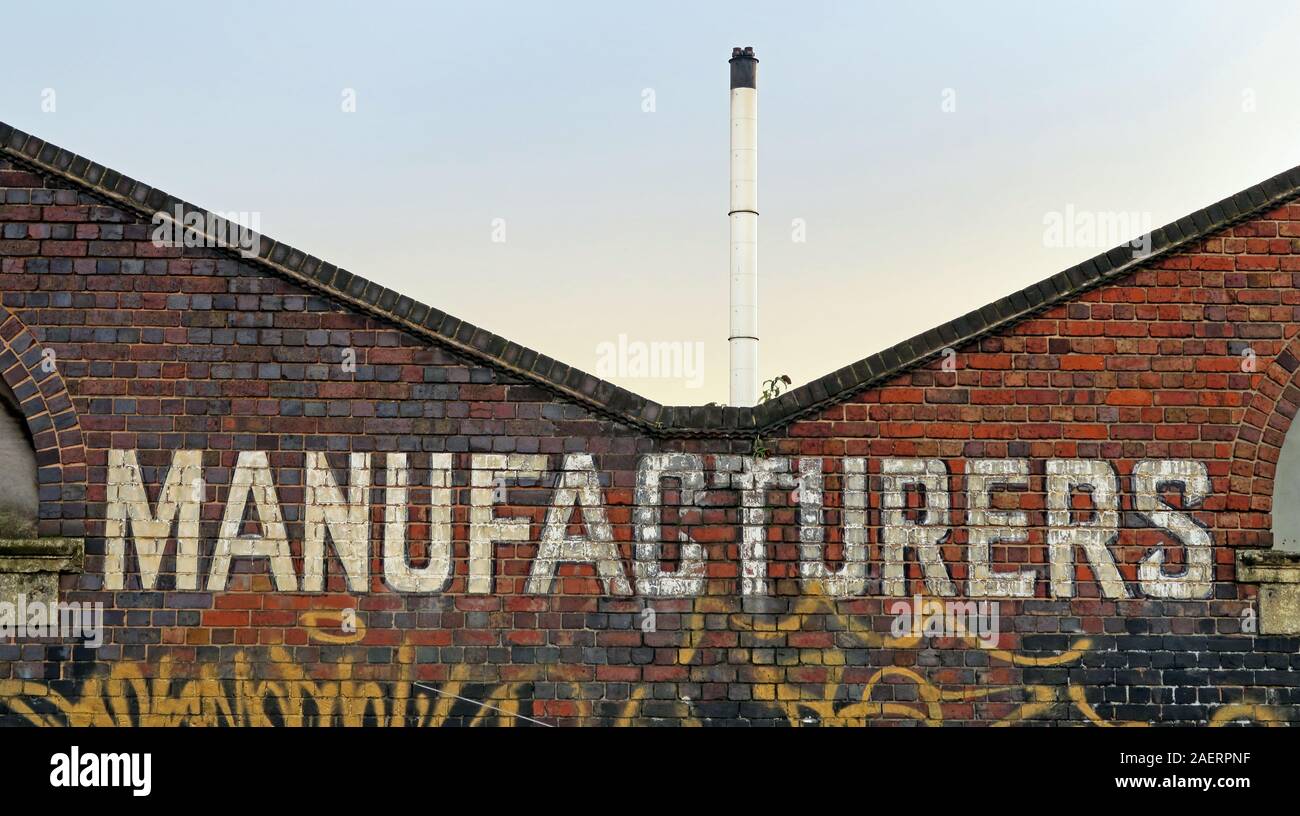
. This location-based editorial photograph from the recorded location in 2019 preserves a recognisable subject together with clues about how the place was used and presented at the time. The location is represented through Birmingham, Digbeth, manufacturers, manufacturing, Black Country, factory, England, UK. Further facets of the subject include public administration, documentary photography, public realm, changing land use, regional identity, social history, political campaigning, industrial material culture, civic debate, factory history, archival record, industrial supply chain, building-material production, and historic manufacturing. In the mid-2020s, construction materials and manufacturing history keep the subject current, particularly through the historical importance of everyday manufactured objects and materials. The subject remains useful for current coverage of local services and cost of living, not least because of preserving campaign language that can quickly date. From an archival perspective, the scene keeps a record of the relationship between the subject and its surroundings in the immediate surroundings of the recorded location. Other useful associations include engineering heritage, public policy, everyday life, labour history, manufacturing heritage, contemporary social history, production works, and local character. References to manufacturing, manufacturers, Black, factory, and Birmingham help fix the photograph to its own subject and period rather than reducing it to a generic view. For the recorded location, the photograph contributes to a cumulative visual history in which changes in use, signs, access and appearance can be traced over time. The image also provides a reference for construction materials and the historical importance of everyday manufactured objects and materials when considered against later change at the recorded location. It also preserves period character for future local research.