4000 x 3000 px | 33,9 x 25,4 cm | 13,3 x 10 inches | 300dpi
Data acquisizione:
26 agosto 2013
Ubicazione:
92 Grassmarket, Edinburgh, Scotland, UK, EH1 2JR
Altre informazioni:
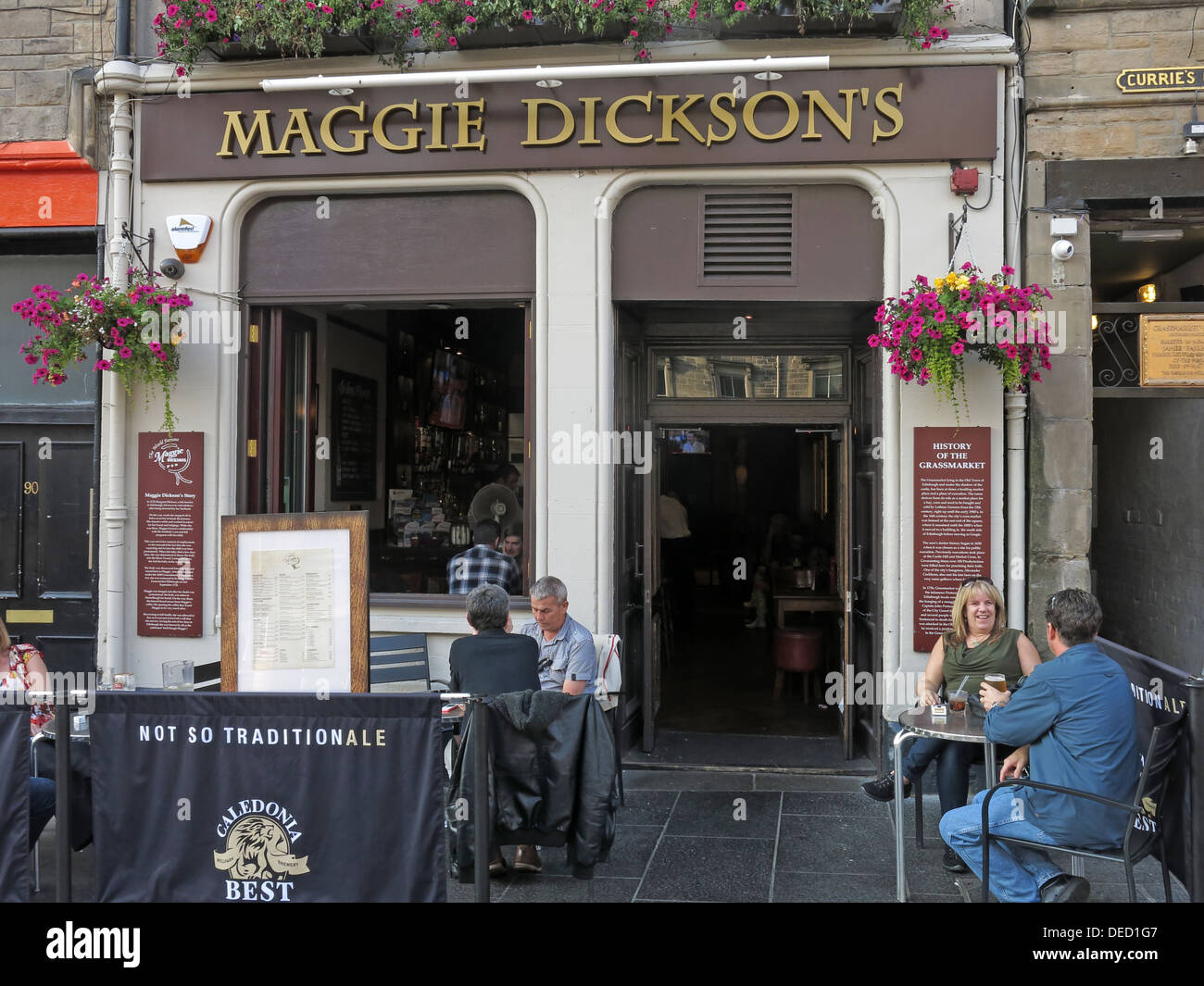
A popular story in Edinburgh is that of Margaret (or Maggie) Dickson, a fishwife from Musselburgh, whose husband left, possibly press-ganged, to join the Royal Navy. Maggie had gone to work in an inn in the Borders, and was hanged in the Grassmarket in August 1724, at the age of 22 or 23, by hangman John Dalgliesh for murdering her illegitimate baby there by drowning it or placing it in the river Tweed at Kelso, shortly after the birth. After the hanging, a doctor declared Dickson dead, and her family argued with the medical students, who then were only allowed to dissect criminal corpses, so her body was taken back to Musselburgh on a cart. However, on the way there, the story was that her family went for a wake at an inn (possibly Sheep's Heid Inn, Duddingston) when they heard noises from the coffin as she awoke. Under Scots Law, her punishment had been carried out, so she could not be executed for a second time for the same crime (only later were the words "until dead" added to the sentence of hanging). Her "resurrection" was also to some extent seen as divine intervention, and so she was allowed to go free. In later life (and legend), she was referred to as "hauf-hingit Maggie" and attracted curiosity as she was seen back in the Grass-market in October 1724, with an item about a crowd forming to see her in the Scots Magazine. She remarried her husband (as ‘death’ had parted them) and lived another 40 years. A poem in Scots appears in a book Quines by actress Gerda Stevenson "Hauf-hingit Maggie Deith is wappin when it comes – like birth, I ken – I hae warstled throu, an focht wi baith. She wis blue, ma bairn, blue as the breast o a brid I seen oan the banks o the Tweed thon day; then grey, aa wrang, the naelstring windit ticht aroon her neck; I ettled tae lowse it, aince, twice, but it aye slippit – ma hauns couldnae grup, ma mind skailt frae the jizzen fecht, ma mooth steekit: no tae scraich, no tae scraich, let nane hear…