. Contributi del Dipartimento di Neurologia e del laboratorio di Neuropatologia (ristampe); l'area deve essere rimasta intatta, oppure la corrispondente area dell'opposto deve aver assunto una funzione viearia. Tali spiegazioni non hanno soddisfatto tutti gli investigatori; Von Moiiakow ha avanzato la teoria di bis diaschisis e insiste tliat non dobbiamo identificare l'offunzione di localizzazione con la localizzazione dei sintomi. La localizzazione dei sintomi focali è una reazione complicata del sistema nervoso non-jured all'insulto corticale locale; mentre la localizzazione della funzione dipende dai teacti
1986 x 1259 px | 33,6 x 21,3 cm | 13,2 x 8,4 inches | 150dpi
Altre informazioni:
Questa foto è un'immagine di pubblico dominio, il che significa che il copyright è scaduto o che il titolare del copyright ha rinunciato a tale diritto. Alamy addebita un costo per l'accesso alla copia ad alta risoluzione dell'immagine.
Questa immagine potrebbe avere delle imperfezioni perché è storica o di reportage.
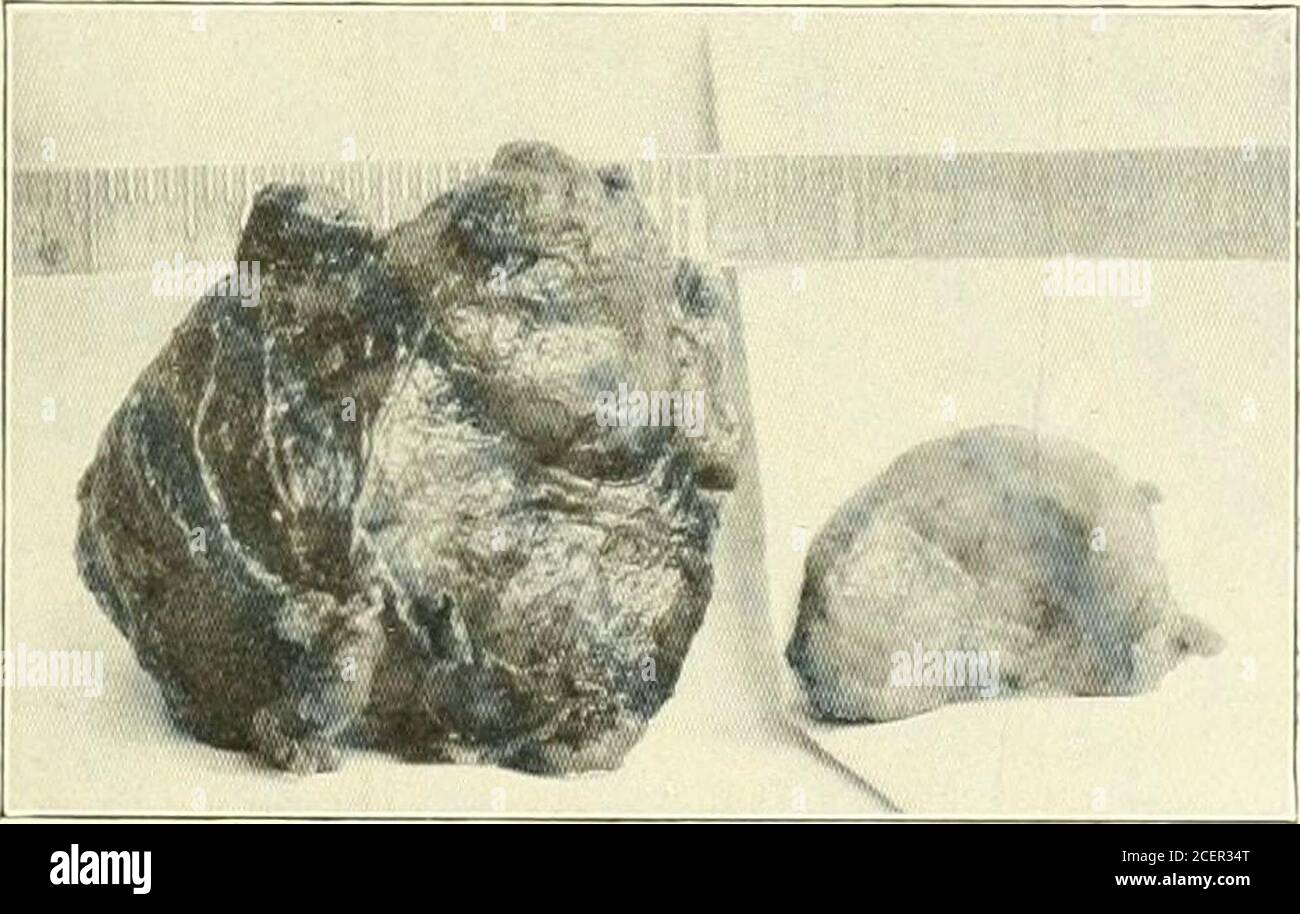
. Contributions from the Department of Neurology and the Laboratory of Neuropathology (reprints). the area must have beenleft intact, or the corresponding area in the oppositehemisphere must have assumed a viearions function.These explanations have not satisfied all investigators; von Moiiakow has put forward bis diaschisis theory, and insists tliat we must not identify localization offunction with localization of symptoms. Localizationof focal symptoms is a complicated reaction of the unin-jured nervous system to the local cortical insult;whereas the localization of function depends on theaction of all the elements of the function concerned inthe entire central nervous system. When an area of thebrain is destroyed, many tracts in connection with thisarea, commissural, associative, , projectile, are injured oi-destroyed, and the effect is demonstrated by the dis-tiirbect action of distant parts of the central nervoussystem. The loss of tendon reflexes of the lower limbsin liomiplegia, for exami)le, is the effect of diaschisis, asshown Ijy disturbed function in tlie hnnbar portion of. Fig. 4.—The largcf of the two tumors here shown grew from thepetrous portion of tlie ri^hl temporal bone and eaiisecl as tirst si^ns.twitching of the right side of the faio and pain in the region of theear. The smaller tumor was removed from the front part of tlieoerebrnm. and was a ijlioma. Sudden death occurred tive or sixhours after the removal of the tumor. the cord from a lesion of the cerebrum. .s the variotistracts differ to some extent in different individuals, thesymptoms of a lesion, i. e.. the reaction of the neroustissue not directly affected in the lesion, varies from caseto case, both in intensity and duration. We probablyhave in diaschisis one of the most satisfactory exphma-tions for the apparent contradictions between symptomsand lesions that we fre(|uently observe, and by it possil3lywe may explain astereognosis and other sensory disturj)-ances following operations c