3732 x 5619 px | 31,6 x 47,6 cm | 12,4 x 18,7 inches | 300dpi
Data acquisizione:
10 febbraio 2010
Altre informazioni:
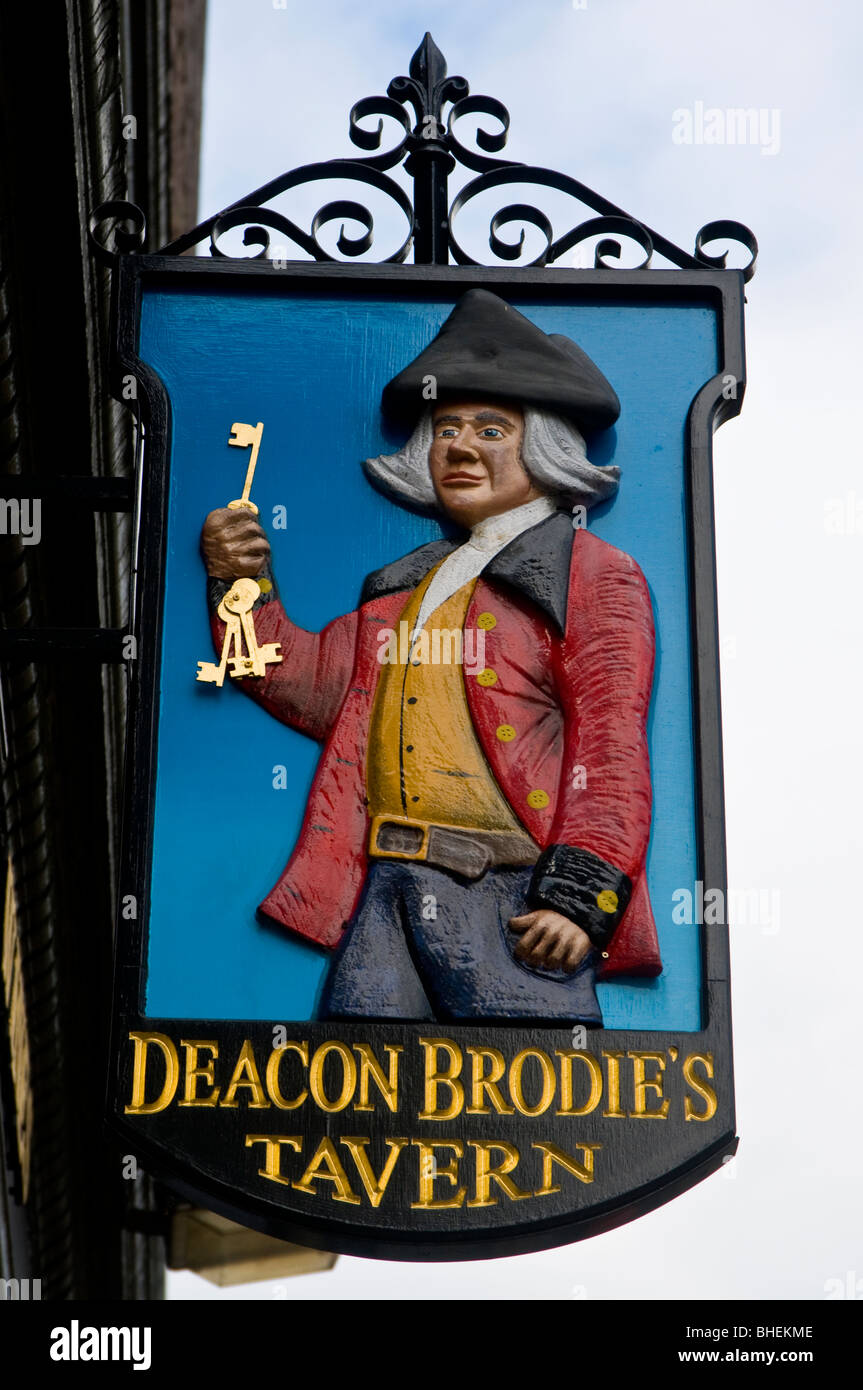
By day, Brodie was a respectable businessman, member of the burgh council and deacon (or president) of the Incorporation of Wrights and Masons. Part of his job in building cabinets was to install and repair their locks and other security mechanisms and repair door locks. He also served on a jury. He socialised with the gentry of Edinburgh, meeting poet Robert Burns and the painter Sir Henry Raeburn. He was also a member of The Edinburgh Cape Club.[1] At night, however, Brodie became a burglar and thief. He used his daytime job as a way to gain knowledge about the security mechanisms of his clients and to copy their keys using wax impressions. As the foremost wright of the city, Brodie was asked to work in the homes of many of the richest members of Edinburgh society. He used the illicit money to maintain his second life, including five children, two mistresses who did not know of each other, and a gambling habit. He reputedly began his criminal career around 1768 when he copied keys to a bank door and stole £800. In 1786 he recruited a gang of three thieves, Brown, Smith and Ainslie. The case that lead to Brodie's downfall began later in 1786 when he organised an armed raid on an Excise office in Chessel's Court on the Canongate. Brodie's plan failed and Ainslie was captured. Ainslie agreed to turn King's evidence, to avoid transportation, and informed on the rest of the gang. Brodie escaped to the Netherlands intending to flee to the United States but was arrested in Amsterdam and shipped back to Edinburgh for trial. Brodie was subsequently hanged at the Tolbooth on 1 October 1788, sadly using a gallows Brodie had designed himself and funded the year before.