5472 x 3648 px | 46,3 x 30,9 cm | 18,2 x 12,2 inches | 300dpi
Data acquisizione:
18 marzo 2025
Altre informazioni:
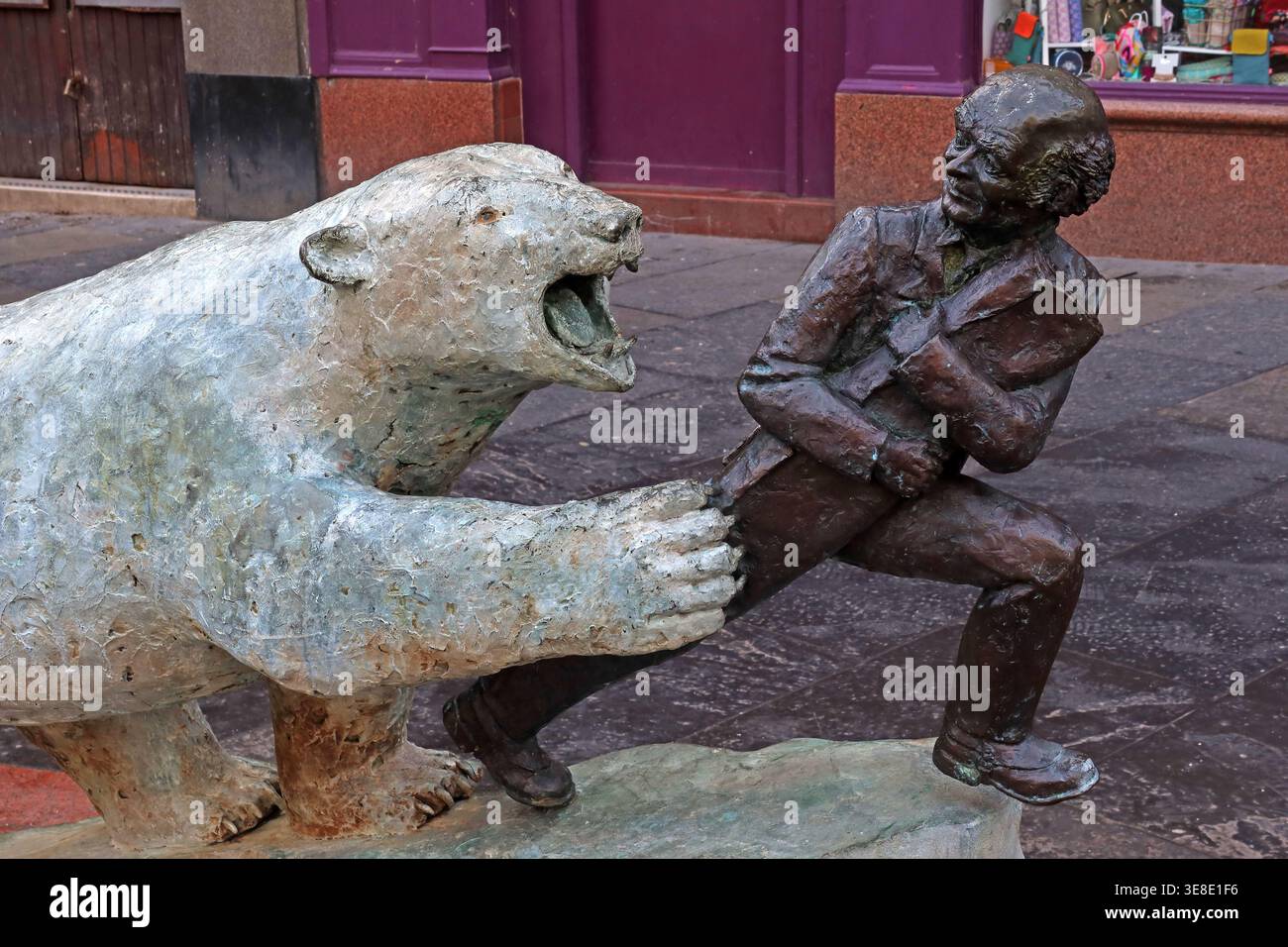
. Mr Jamieson the Draper and the Polar Bear, usually nicknamed Bruin. Photographed on 18 March 2025. In relation to public realm, historical context shows that monuments and civic artworks are part of the visual history of place; Their subjects reveal whom a community chose to celebrate, while later reinterpretation or controversy can evolution the meaning of an apparently permanent object. As of 2026, the position for public realm is that public art is closely connected with regeneration, tourism, identity and debate about representation; Murals and sculptures can become visitor landmarks while also prompting discussion about whose history is visible in public space. Further editorial search language includes street art, statue, urban culture, cultural identity, visual culture, community art, place-making, memorial art, creative industries, cultural landmark, and 367IMG_5562. For the story of mural, it is useful to note that public art turns streets and buildings into records of local culture; Murals, statues and memorial sculpture can commemorate people and events, celebrate industry, respond to politics or simply enliven public space, while materials and style often identify a particular era. The historical setting for statue is that monuments and civic artworks are part of the visual past of place; Their subjects reveal whom a community chose to celebrate, while later reinterpretation or controversy can change the meaning of an apparently permanent object. Seen through cultural identity, the earlier context is that street art and murals are especially valuable as temporary cultural evidence because they may be painted over or lost during redevelopment; Photographs preserve both the artwork and its relationship with the surrounding neighbourhood. The subject also connects street art, statue and urban culture within the same editorial theme. Its wider context brings together statue, urban culture and cultural identity.