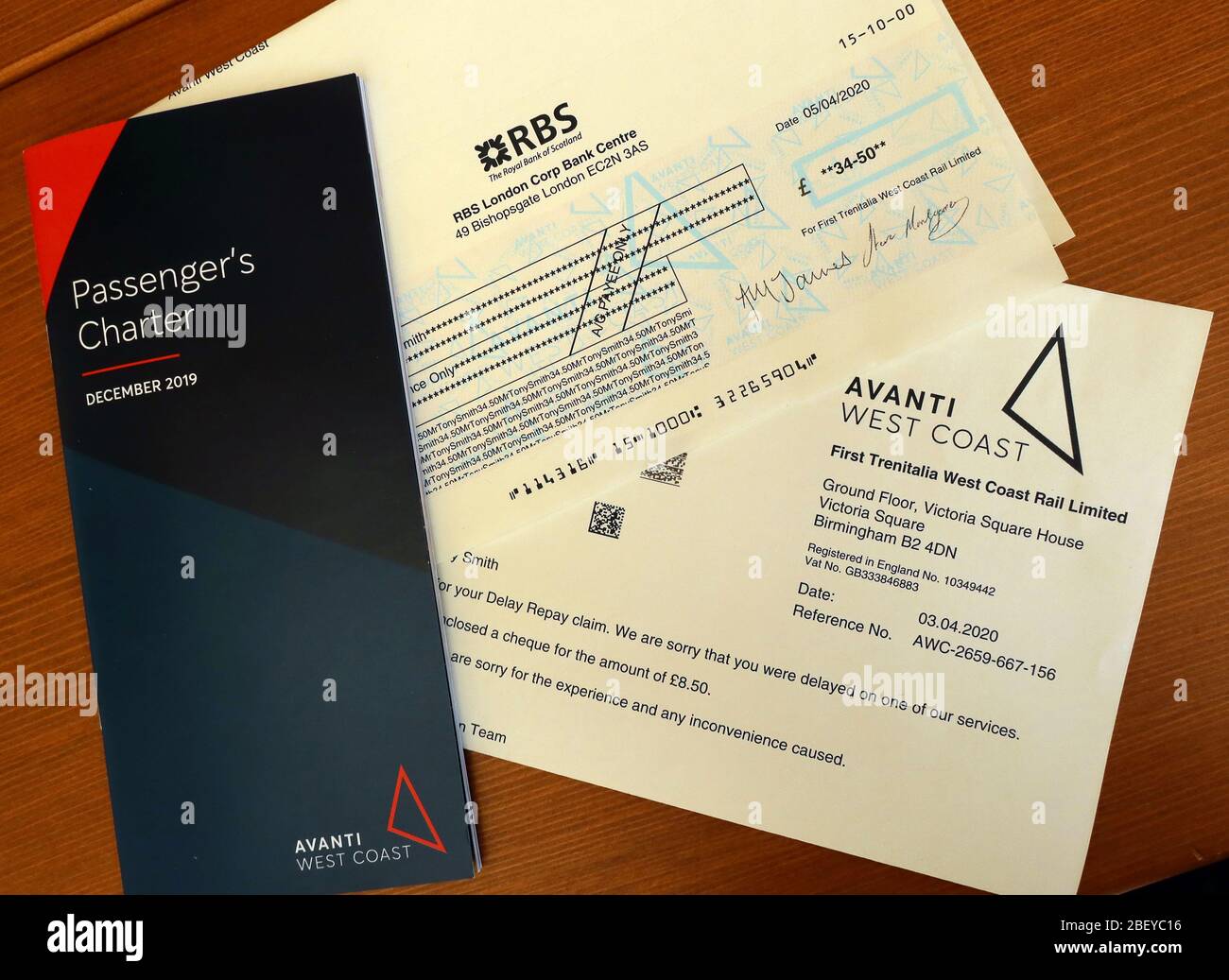
Rimborsi di ritardo della Costa Ovest Avantanti, rimborso per treni in ritardo e cancellati, linea principale della Costa Ovest, rimborsi, compensazione di ritardo
4776 x 3480 px | 40,4 x 29,5 cm | 15,9 x 11,6 inches | 300dpi
Data acquisizione:
16 aprile 2020
Altre informazioni:
. This carefully observed view of the recorded location fixes a specific place, use and moment for later historical comparison. The defining feature is Avanti West Coast Delay Repay Cheques, repayment for late and cancelled trains, West Coast Main Line, repayments, delay compensation. Other aspects of the subject include regional identity, built environment, rail mobility, documentary photography, visual archive, social landscape, commuter travel, before-and-after reference, urban change, transport interchange, local history, passenger connectivity, contemporary history, and station environment. For contemporary context, public ownership and integrated transport are closely related themes, especially where the issue becomes linking trains more effectively with buses and trams. For later comparison, the photograph preserves street furniture and boundaries at the recorded location, details that may look very different after closure or conversion. The photograph additionally reflects place identity, rail corridor, public transport network, rail modernisation, mass transit, local character, social history, and trackside infrastructure. Details involving cancelled, compensation, Cheques, trains, and repayment make the image more specific than a generic illustration and strengthen its local or historical value. By fixing the subject within the recorded location, the image preserves more than the headline object or building: it records part of the locality's everyday history. Its period value extends to public ownership and linking trains more effectively with buses and trams without losing the local specificity of the recorded location. The location additionally provides evidence for accessibility and linking trains more effectively with buses and trams in a form that can be compared with future views of the recorded location. The frame therefore remains a dated reference for the recorded location and the changing story of the subject shown.