3588 x 3802 px | 30,4 x 32,2 cm | 12 x 12,7 inches | 300dpi
Data acquisizione:
13 maggio 2013
Ubicazione:
Green Park business development, Reading, UK
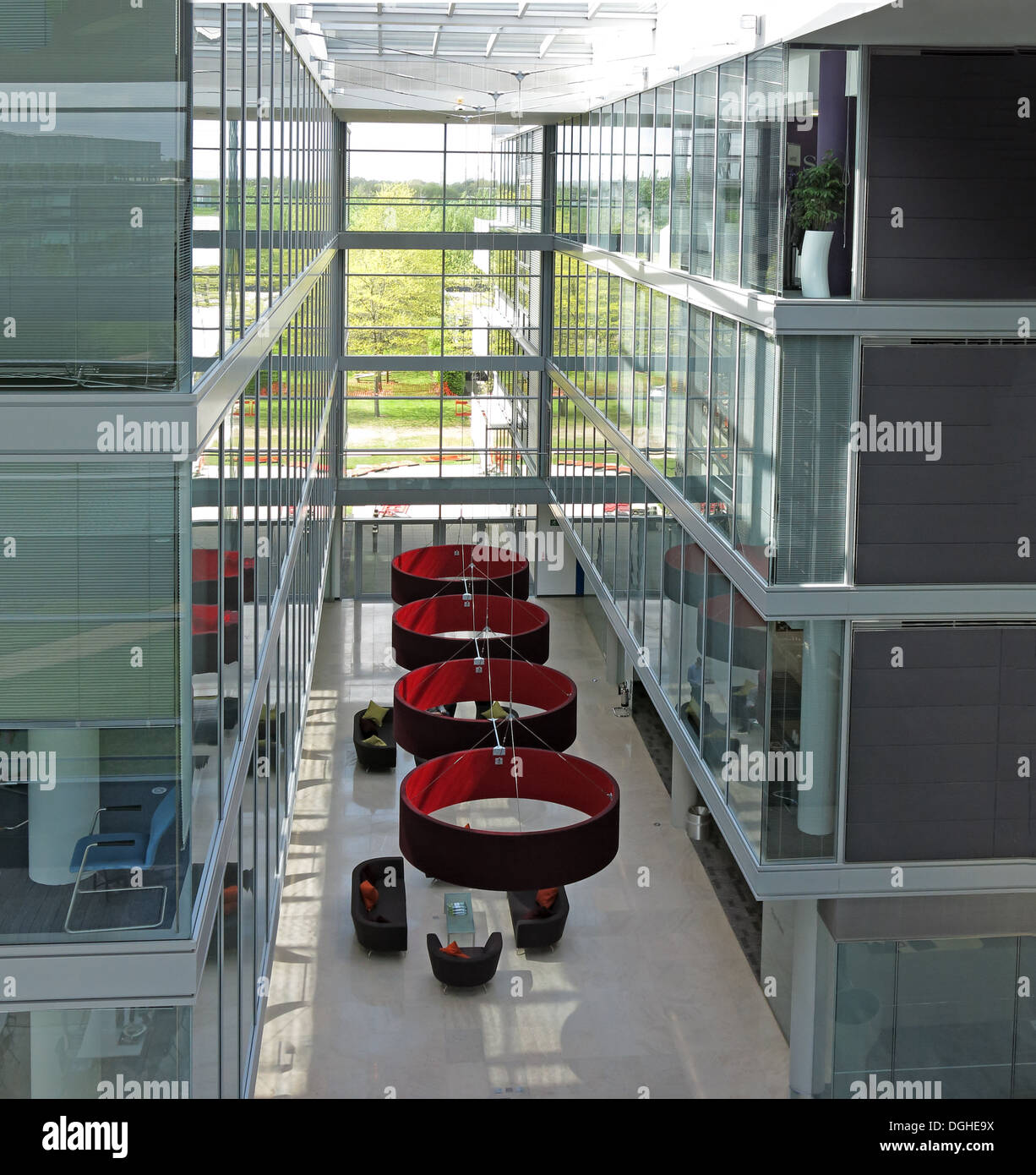
Altre informazioni:
. Glass office interior of building, Green Park Reading, UK. Photographed on 13 May 2013. The recorded location is Green Park business development, Reading, UK. A premier business park near Reading, Green Park is home to major corporations and smaller niche companies. In the longer view, historic and modern architecture can be read as a record of investment, planning and evolving urban functions; Civic, commercial, industrial and residential buildings each contribute to the character of a townscape, particularly where older structures are adapted rather than demolished. From a heritage perspective, interiors preserve details that exterior photographs cannot show: furniture, fittings, decorative finishes and room layouts reveal how structures were actually used; Such features are often altered during refurbishment even when the outside remains unchanged. As background, british agriculture has repeatedly adapted to mechanisation, changing markets and environmental policy; Tractors, fields, cereal crops and allotment vegetables each represent different scales of food production, while also documenting seasonal work and rural landscapes. Current 2026 relevance comes from the fact that current regeneration policy places growing emphasis on reusing established buildings and strengthening town centres. historical façades, redundant offices and converted commercial properties are especially relevant to debates about conservation, viability and adaptive reuse. As of 2026, restoration projects increasingly emphasise retaining significant interiors as well as façades, making earlier photographs useful evidence when rooms are refurbished, repurposed or opened to visitors. As of 2026, current regeneration policy places growing emphasis on reusing established buildings and strengthening town centres. historic façades, redundant offices and converted commercial properties are especially relevant to debates about conservation, viability and adaptive reuse.